
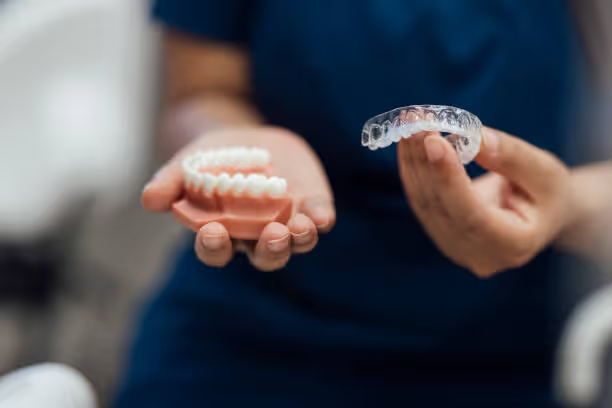
Clear aligners are removable, but they still need consistent day-to-day care. A few simple routines can help reduce odour, staining and plaque buildup while protecting the trays from damage.
If you wear clear aligners in Hamilton, Binbrook, Stoney Creek or nearby communities, follow the specific instructions provided for your treatment. The guidance below covers common care habits for removable clear aligners, but your dental instructions should always take priority.
The dentists at Fletcher Dental Centre are general practitioners, and recommendations are based on each patient's individual needs.
Remove aligners before meals and most drinks
In general, remove clear aligners before eating. Food can get caught between the tray and teeth, and chewing with aligners in place may scratch, stain or distort them. Keep the trays in their case while you eat rather than wrapping them in a napkin, where they can be accidentally discarded.
Water is generally the safest drink to have while wearing aligners. Coffee, tea, pop, juice, sports drinks and coloured beverages can stain the trays or allow sugar and acids to sit against the teeth. Hot drinks may also warp some plastic aligners.
After a meal or snack, brush and floss when possible before putting the aligners back in. If you cannot brush right away, rinsing your mouth with water can be a practical temporary step. Resume your usual oral-hygiene routine as soon as you can.
Learn more about Orthodontics at Fletcher Dental Centre.
How to clean clear aligners each day
Clean your aligners when you take them out and before putting them back in. Rinse them with cool or lukewarm water, then gently brush them using a soft toothbrush reserved for the trays. This can remove saliva and loose debris before it dries onto the plastic.
Avoid hot water, which can change the shape of an aligner. Abrasive toothpaste can leave fine scratches that make trays look cloudy, so use only cleaning products that are compatible with your aligner system and your dental professional’s instructions.
Some aligner systems have specific cleaning crystals, tablets or other products. Check the directions for your particular trays before soaking them. Do not use a product that your aligner manufacturer or dental professional has advised against.
Keep your teeth clean before reinserting trays
An aligner fits closely over the teeth. Placing it over food particles, plaque or sugary residue can make the tray feel less fresh and may increase the time those substances remain against tooth surfaces.
Brush twice a day with fluoride toothpaste and clean between your teeth daily, following advice tailored to your needs. Clean your tongue as part of your routine if it contributes to bad breath. Regular oral hygiene matters whether or not you are wearing aligners.
If you notice ongoing gum bleeding, new sensitivity, persistent bad breath or discomfort, arrange a dental assessment rather than assuming the aligners are the cause.
Build habits that help protect your aligners
Use the protective case every time your aligners are out of your mouth. Heat, pets, pockets, bags and napkins are common ways trays can be damaged or lost. Do not leave them on a table, dashboard or other warm surface.
Put a regular cleaning cue into your routine: for example, rinse and clean the trays when you brush in the morning and before bed. A small travel toothbrush and case can make meals away from home easier to manage.
Wear time and tray-change timing are individual parts of treatment. Follow the schedule you were given, and do not move to a new set early or try to alter an aligner yourself. If a tray is cracked, badly warped, lost or no longer seems to fit, contact your dental provider for direction.
When an aligner needs professional advice
Temporary pressure can occur when beginning a new aligner, but severe pain, a tray that will not seat properly, a sharp edge that irritates tissue, or a broken attachment should be discussed with a dental professional. Do not cut or reshape the tray unless you have been instructed to do so.
Fletcher Dental Centre lists orthodontics services. The dentists at Fletcher Dental Centre are general practitioners. Whether clear aligner treatment is appropriate, and the care instructions for a particular treatment plan, depend on an individual dental assessment.
Key Takeaways
- Remove aligners for meals and keep them in their protective case.
- Rinse trays with cool or lukewarm water and clean them gently according to the instructions for your aligner system.
- Brush and clean between your teeth before reinserting aligners whenever possible.
- Avoid hot water and products that are not approved for your specific aligners.
- Ask a dental professional for guidance if a tray is damaged, painful, lost or no longer fits properly.
Frequently Asked Questions
Can I drink coffee while wearing clear aligners?
It is generally best to remove aligners for coffee. Coffee can stain trays, and hot liquids may affect plastic aligners. Water is usually the safest choice while trays are in.
Can I use toothpaste to clean my clear aligners?
Some toothpastes are abrasive and can scratch clear plastic. Follow the instructions for your specific aligner system; a soft toothbrush and a compatible cleaning method are commonly used.
What should I do if I lose an aligner?
Contact your dental provider for instructions. Do not guess whether to move to another tray or stop wearing aligners, as the appropriate next step depends on your treatment plan.
Why do my clear aligners smell?
Odour can develop when saliva, plaque and debris remain on the trays. Rinsing and cleaning the aligners daily, along with brushing and cleaning between your teeth, can help. Persistent odour or gum concerns warrant a dental assessment.